Whether you're planning a business trip or a vacation, navigating the local laws of a new city can be tricky. In Hong Kong, the rules around alcohol are straightforward but carry heavy penalties if you ignore them. From the strict legal drinking age to the zero-tolerance approach to drink-driving, knowing where the line is drawn will keep you out of trouble with the Hong Kong Police Force and local authorities.
Quick Guide to HK Alcohol Rules
- Legal Drinking Age: 18 years old.
- Drink Driving: Extremely strict limits; high fines and jail time possible.
- Importing: Beer and wine (under 30% ABV) are generally duty-free.
- Business Rules: Retailers must display signs prohibiting sales to minors.
The Legal Drinking Age and Age Verification
In Hong Kong, the minimum legal drinking age is 18. This isn't just a suggestion; it's a legal requirement under the Dutiable Commodities (Amendment) Ordinance 2018. This law applies to any "intoxicating liquor," which the government defines as any beverage with more than 1.2% ethyl alcohol by volume. Essentially, if it's meant to be a drink and it has alcohol, the rule applies.
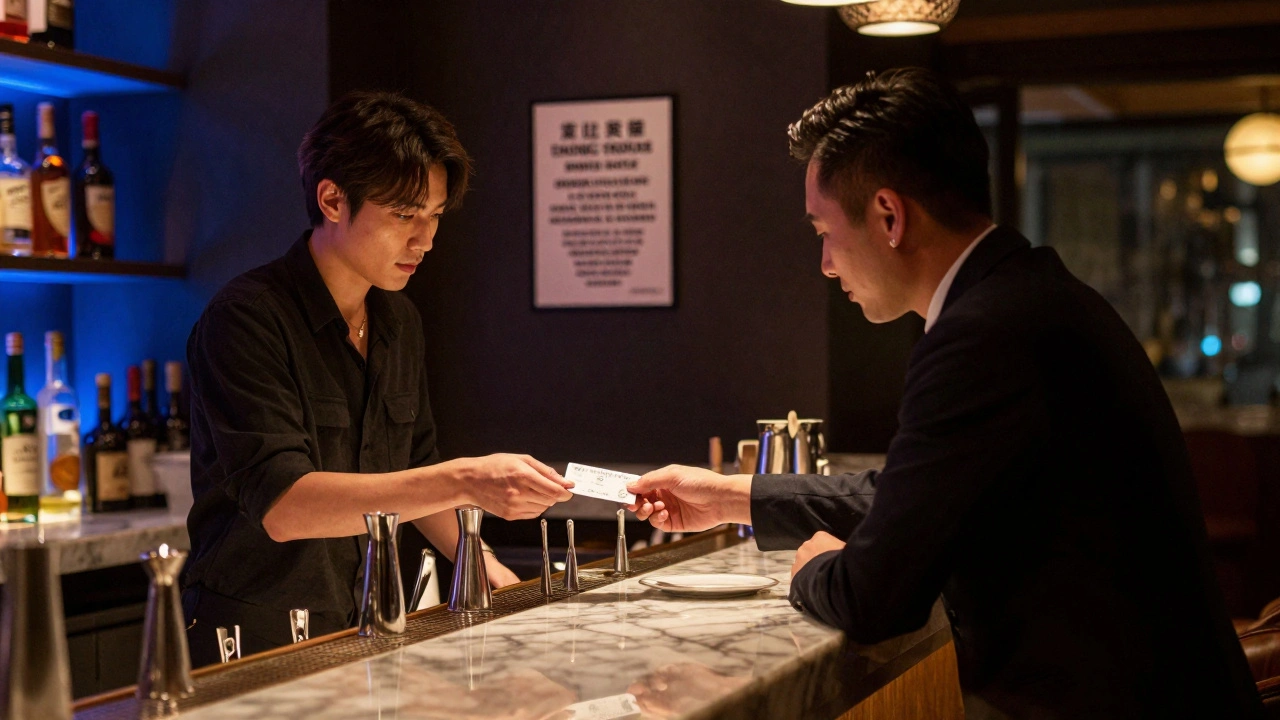
You'll find this rule enforced across the board-from high-end cocktail bars and restaurants to the tiny 7-Eleven on the corner or even vending machines. If a business sells or supplies alcohol to someone under 18, they can be hit with a fine of up to HKD $50,000. To keep things fair for business owners, the Food and Health Bureau doesn't require shops to ID every single customer. Instead, they only need to ask for proof of age if they reasonably believe the person might be a minor. This is why you might not be asked for ID if you look 30, but you'll almost certainly be stopped if you look 19.
One thing to notice when walking into a shop or bar is the signage. By law, every licensed premises must have a notice in both English and Chinese stating that intoxicating liquor must not be sold or supplied to a minor. If you don't see these signs, the establishment is technically breaking the law.
Drinking and Driving: The High Stakes
If there is one area where Hong Kong does not compromise, it is road safety. Drink driving is treated as a serious criminal offense. The authorities don't care if you "feel" sober or if you aren't swaying while walking; the only thing that matters is the chemical measurement in your system.
The legal limits are very precise. You are over the limit if you have:
- 50 milligrams of alcohol per 100ml of blood.
- 67 milligrams of alcohol per 100ml of urine.
- 22 micrograms of alcohol per 100ml of breath.
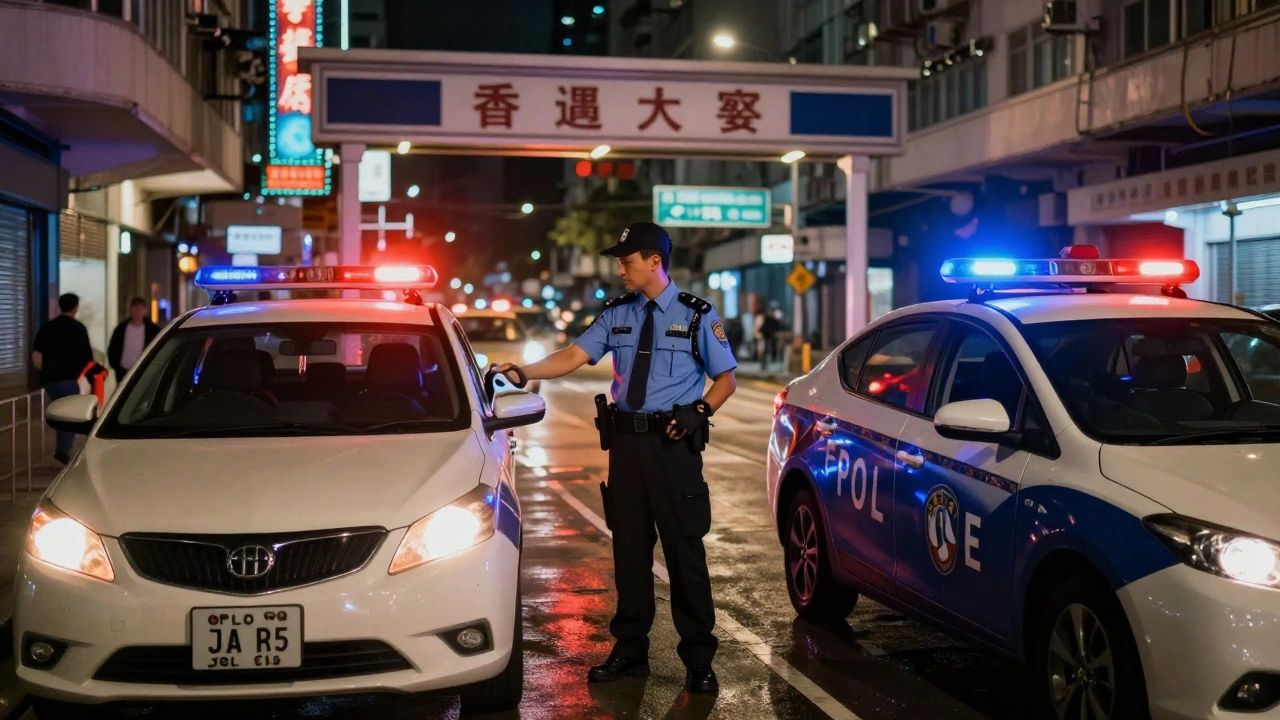
Police officers frequently conduct random roadside breath tests. If you are caught over the limit, the consequences are brutal. On a first conviction, you're looking at a driving disqualification for at least three months and fines up to HKD $25,000. Repeat offenders can be banned from driving for two years or more and may face up to three years in prison. A critical tip: if you refuse to provide a breath sample without a very good reason, the law treats that refusal exactly the same as a positive test. You will be penalized as if you were drunk.
Importing Alcohol and Tax Brackets
Bringing your own bottle of scotch or a case of wine into Hong Kong? The cost depends entirely on how strong the drink is. The city uses a tiered taxation system based on alcohol by volume (ABV).
| Alcohol Content | Excise Duty | Requirement |
|---|---|---|
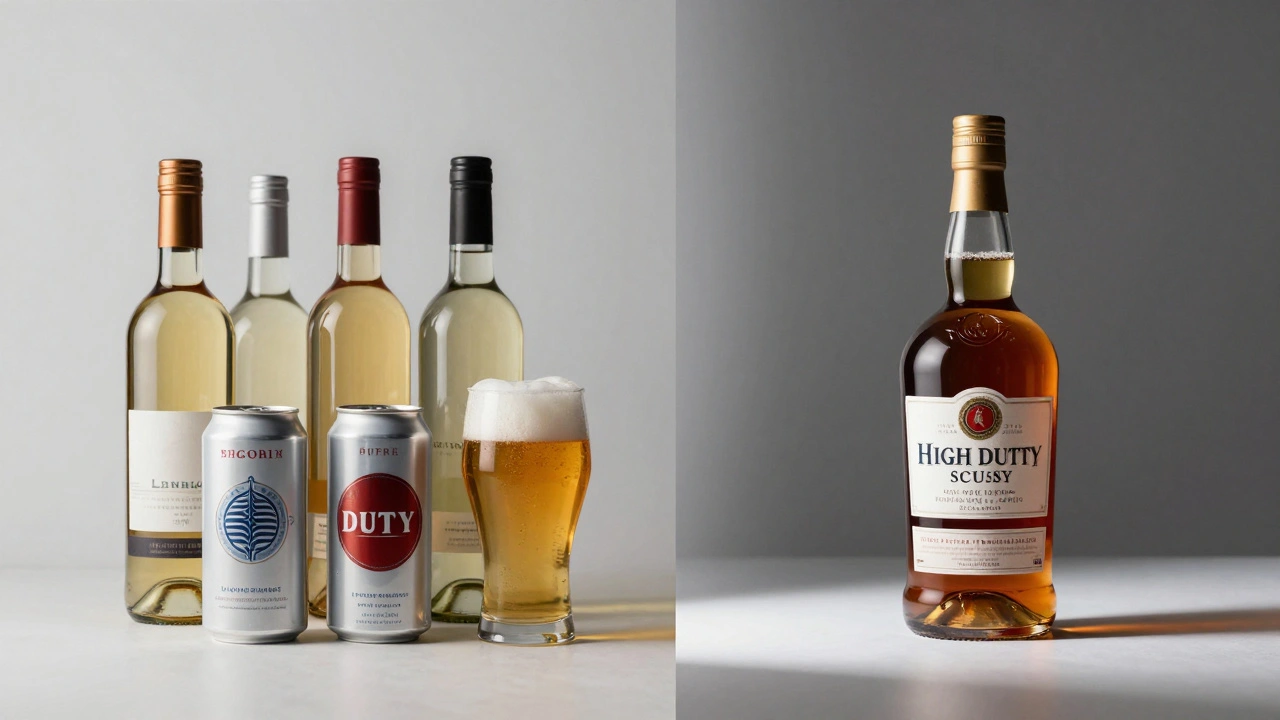
| Under 30% ABV (e.g., Beer, Wine) | 0% (Duty-Free) | General Import |
| Over 30% ABV (e.g., Spirits, Vodka) | 100% Duty | Import Permit & Licensed Importer |
For most travelers, this means bringing in a few bottles of wine is easy and cheap. However, if you are importing high-proof spirits commercially, you need a specific import permit for every shipment and must be a licensed importer. This high tax on spirits is a deliberate move to manage consumption and generate revenue from luxury imports.
Licensing for Businesses: The Rules of the Trade
If you're thinking about opening a business or hosting a commercial event, you can't just start selling drinks. You need a Liquor Licence issued by the Liquor Licensing Board (LLB). This is a separate requirement from the age-restriction laws.
The LLB also handles "Temporary Liquor Licences" for things like food festivals or public entertainment events. However, there's a catch: you can't just apply for a temporary license as a random person. Only entities that already hold a full Liquor Licence are eligible to apply for these short-term permits. The penalties for selling alcohol without a license are extreme-fines up to HKD 1 million and up to two years in prison.
Social Context vs. Commercial Law
It is worth noting that all the rules mentioned above-especially the age restrictions-apply to commercial transactions. This means they apply to bars, shops, and vending machines. The law is designed to regulate the "trade," not your private life. Serving a drink to a younger relative at a family dinner or a friend at a private house party is not a violation of the Dutiable Commodities Ordinance. The government's focus is on the commercial supply chain, not private social gatherings.
Can I be arrested for having one drink and driving in Hong Kong?
Yes. Hong Kong maintains very low legal limits for alcohol in the blood, breath, and urine. You do not need to appear "drunk" to be over the legal limit, and the police conduct frequent random tests. Penalties include heavy fines and immediate driving disqualification.
Do I need to show ID to buy alcohol in Hong Kong?
Legally, you must be 18. While some shops may not ask for ID if you look older, businesses are required to request proof of age if they reasonably suspect you are under 18. It is always best to carry a valid passport or ID to avoid issues.
Is wine and beer taxed when imported?
Generally, no. Beverages with less than 30% alcohol by volume are not subject to excise duty. This makes importing wine and beer much simpler and cheaper than importing spirits like whiskey or vodka, which carry a 100% duty.
What happens if a bar sells alcohol to a 17-year-old?
The business or person who supplied the alcohol can be fined up to HKD $50,000. The law strictly prohibits the sale or supply of intoxicating liquor to minors in the course of business.
What is the definition of "intoxicating liquor" in HK law?
Under Hong Kong law, intoxicating liquor is any beverage that contains more than 1.2% ethyl alcohol by volume and is intended to be consumed as a drink.
What to do if you're unsure
If you're a visitor, the safest bet is to use Hong Kong's world-class public transport. Taxis and the MTR are available almost 24/7, meaning you never have to risk getting behind the wheel after a few drinks. If you're a business owner, ensure your English and Chinese signage is clearly visible to avoid the HKD $50,000 fine, and don't hesitate to ask for ID-it's better to annoy a customer for ten seconds than to pay a massive penalty.
